Critical Minerals

Critical minerals and national security by Susan Park

There are two common lenses through which people study critical minerals, those to want to study the demand for minerals for the energy transition, in order to decarbonise energy use and systems to combat climate change, and those concerned with how geopolitical tensions between the United States and China is rewriting the international landscape through the race for critical minerals.

This is geopolitics: where the US and China are seeking dominance over territories with resources necessary for defense, advanced technologies, and renewables.

Of course, these two lenses overlap: Thea Riofrancos argued that what we are witnessing is the ‘security-sustainability nexus’ where the US and the West is now trying to ‘de-risk’ its reliance on China for processed critical minerals on which modern economies rely.

This is leading to a fractured international system, where both cost and competition, now also sit alongside state’s political interests and alliances.  

Lithium Mining in Different Places by Susan Park

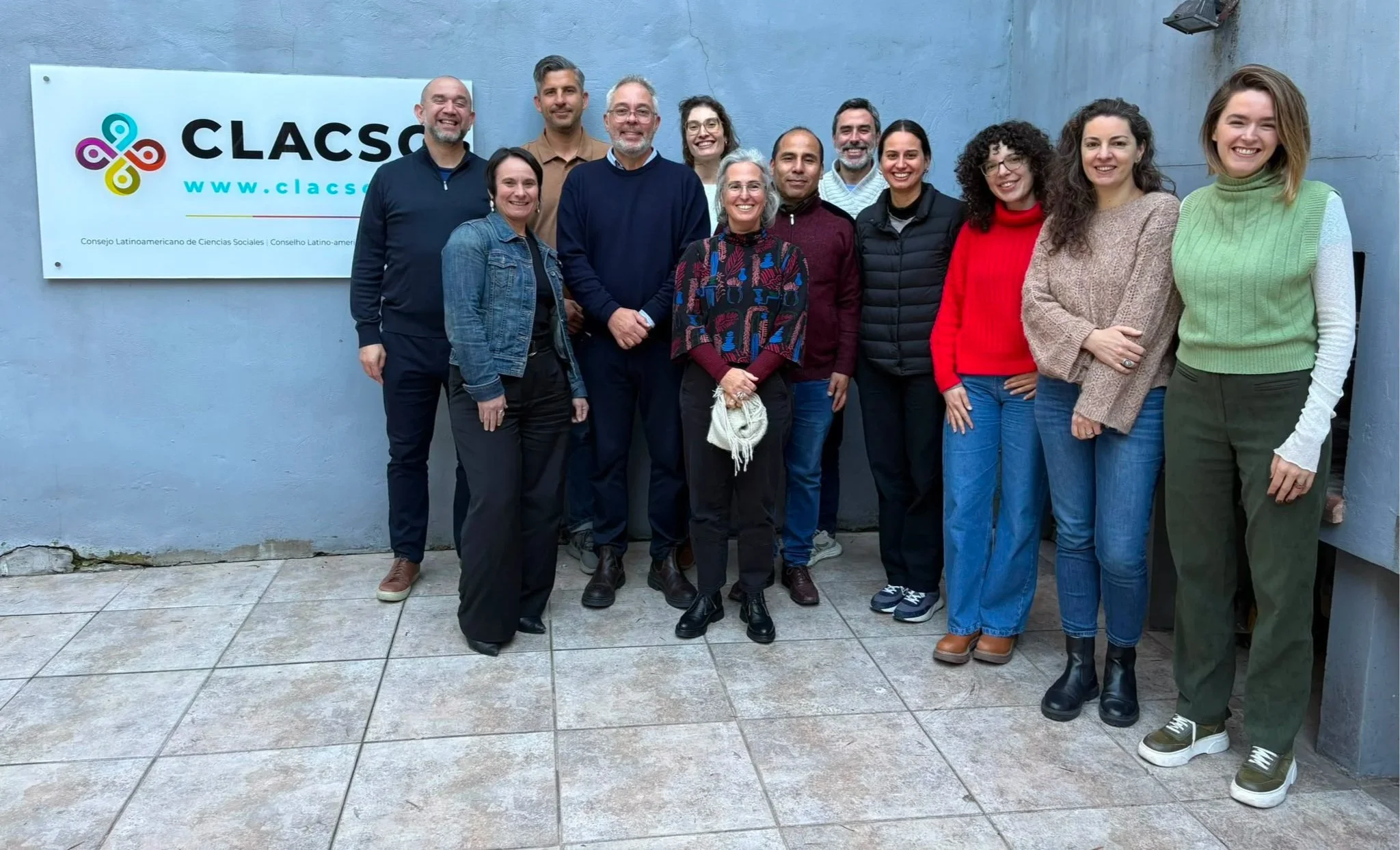
I’ve just returned from a workshop in Buenos Aires, comparing lithium extraction for the renewable energy transition between Australia, Argentina, Bolivia, Canada, and Chile.

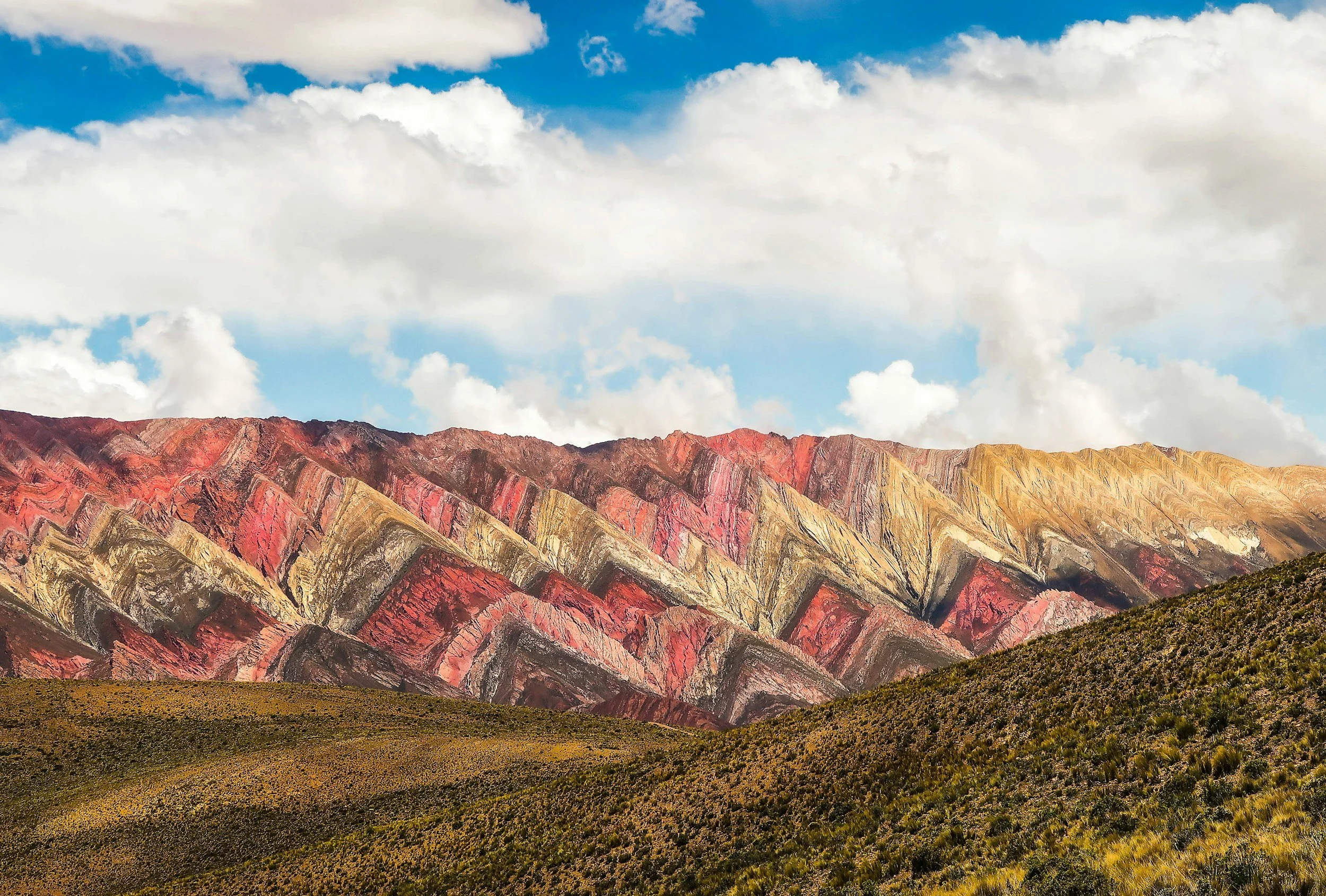
The geology of lithium means that the environmental impacts diverge wildly across these landscapes, some argue that lithium isn’t even “mined” in Latin America because of the process of extracting lithium using water compared with hard-rock mining in Australia.

The social impacts are even more stark, with conflicts occurring around mine sites within Indigenous communities in areas with long histories of human rights violations.

This is not to suggest that mining lithium is not without environmental impacts or social tensions in Australia but to acknowledge extreme impacts in the “lithium triangle” of Latin America. Sharing knowledge about what commonalities and differences exists highlights concerns of water use, documenting impacts, probing community benefits from mining, and recognising the importance of social license for mining to occur.

Australia’s Role in Lithium Mining by Susan Park

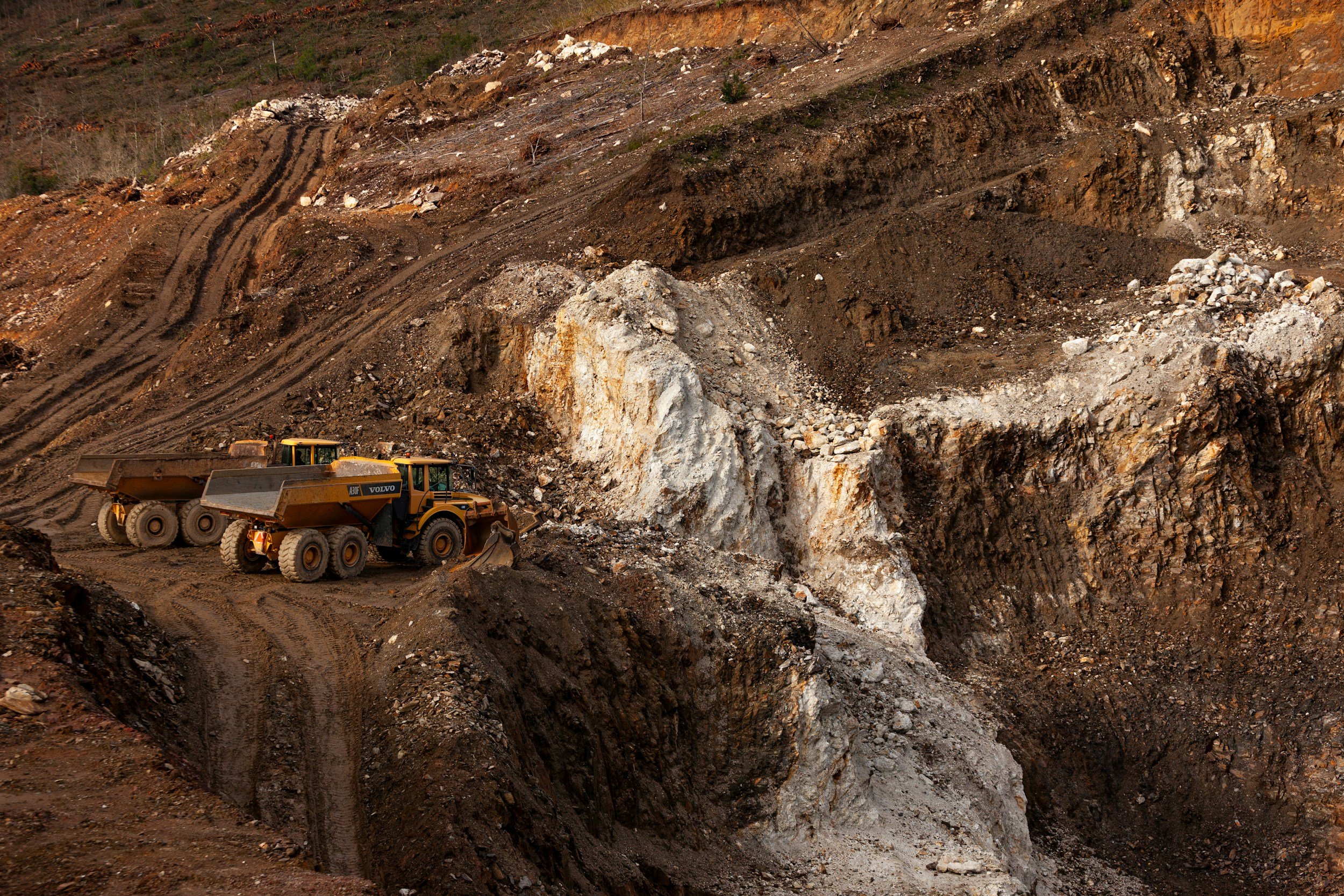
Interestingly not many people know that Australia is the world’s largest producer of lithium, even those familiar with the compound used in batteries and electric vehicles. Australia’s lithium story is quite recent, beginning around 2009 for extracting lithium in areas previously mined for gold, tin, and tantalum.

Mining lithium in Australia requires significant investment, expertise, and contracts for getting the product to market. The boom and bust of the global lithium market has meant dramatic upheavals in lithium mining in Australia, from expansion to rapid contraction, with mergers and acquisitions, and joint ventures with larger foreign companies.

Most Australian lithium is exported directly to China for processing and then for manufacturing for renewables and EVs, although there is a shift towards local processing of lithium in Western Australia.  

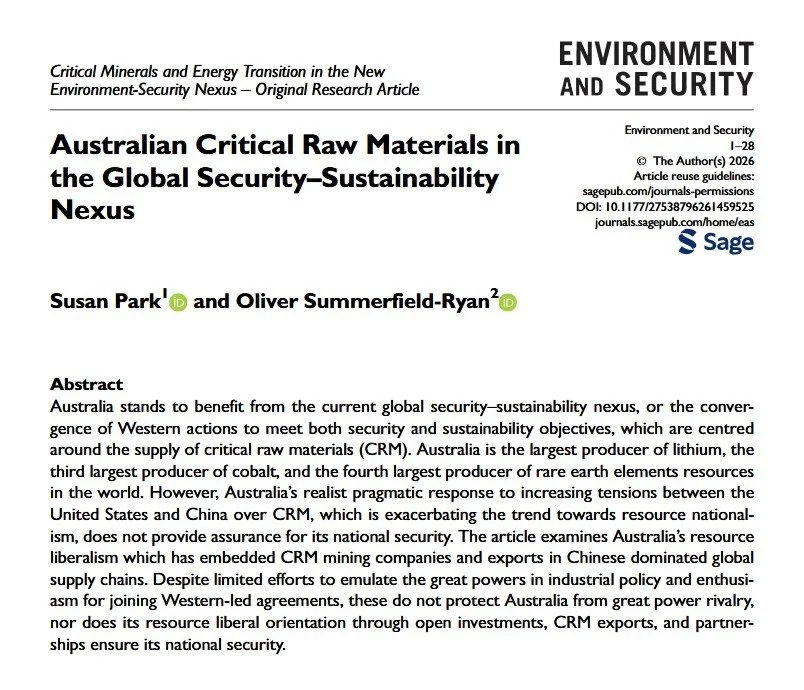
To know more, see my latest publication on the topic, “Australian Critical Raw Materials in the Global Security–Sustainability Nexus”.

Building Australia’s critical minerals future by Chris

Susan Park and Namali Mackay explore how universities, industry, and policy must work together to build the skilled workforce and technology breakthroughs needed for sustainable critical minerals extraction and processing.

This event was held live at the University of Sydney on Tuesday 20 May 2025. For more details and resources, visit the Sydney Ideas page: https://bit.ly/4dmuDda

Critical Minerals Network Roundtable: Geopolitics Webinar by Chris

The Critical Minerals Network Roundtable: Geopolitics Webinar was hosting in 2025 by the University of Sydney's Critical Minerals Network. This online roundtable was held with Professor Susan Park, Professor Justin Hastings, Hayley Channer (USSC), and Vlado Vivoda (Sustainable Minerals Institute) to explore issues and opportunities in the critical minerals sector.